


Unlike drone photography, where you can dial in your coordinates and launch, KAP requires a delicate dialogue between the wind, the landscape, and the gear at the end of the line.
Whether you are planning a local weekend outing or a dedicated expedition, a successful flight starts long before you unpack your rig. Here is a practical workflow for planning your next KAP mission and finding an inspiring location to fly.
1. Check Weather and Wind Forecasts
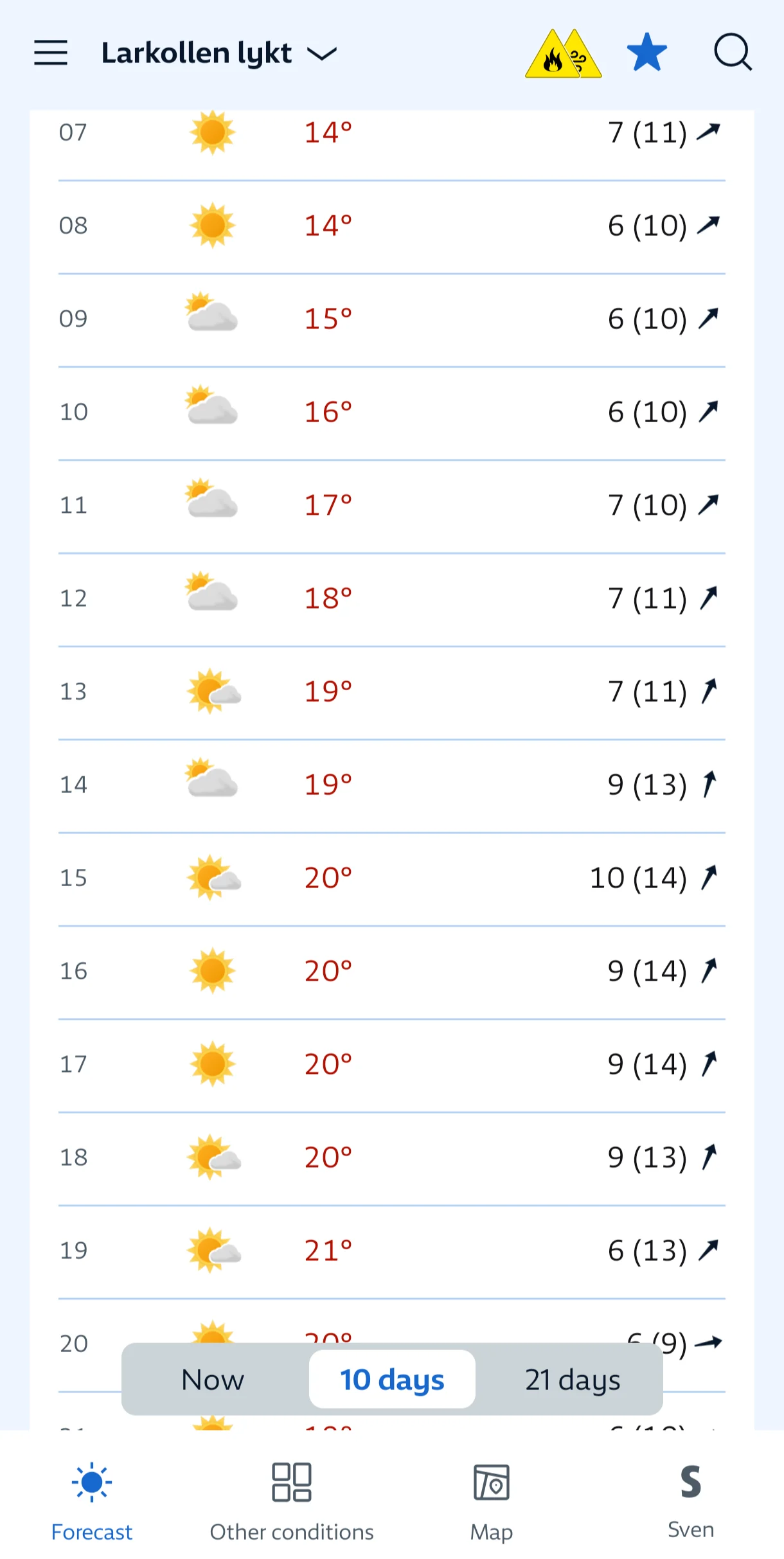
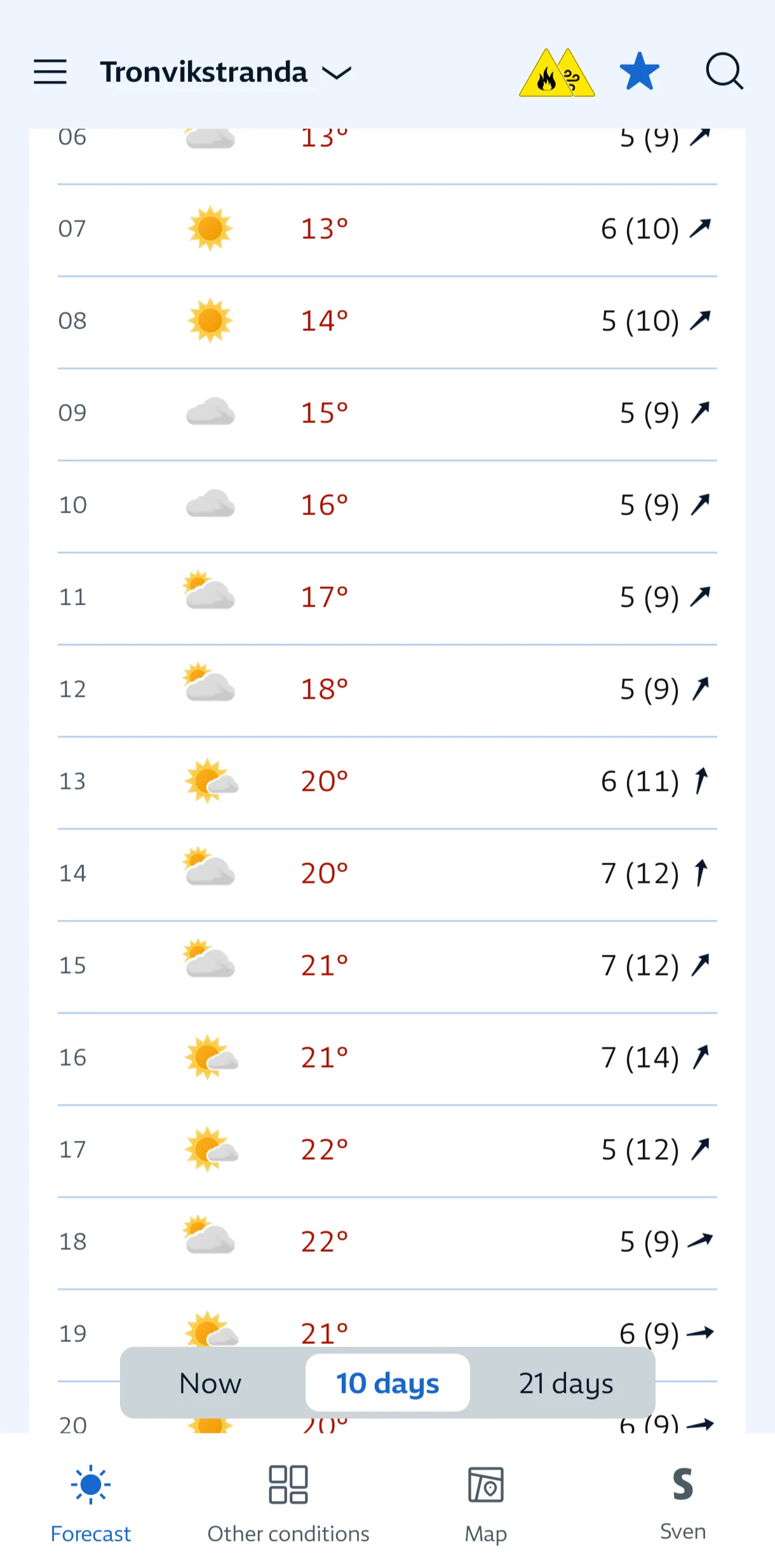
Wind is the absolute lifeblood of KAP. Before looking at maps or scouting locations, study the forecast closely.
- Wind Speed and Direction: Ensure the wind speeds match the lifting capacity of your chosen kite and the weight of your camera rig. Look for steady, laminar airflow rather than violent gusts.
- Precipitation and Visibility: Rain is an obvious enemy of electronics and kites, but low cloud cover or heavy fog can also ruin aerial clarity. Aim for clear or broken skies to maximize lighting.
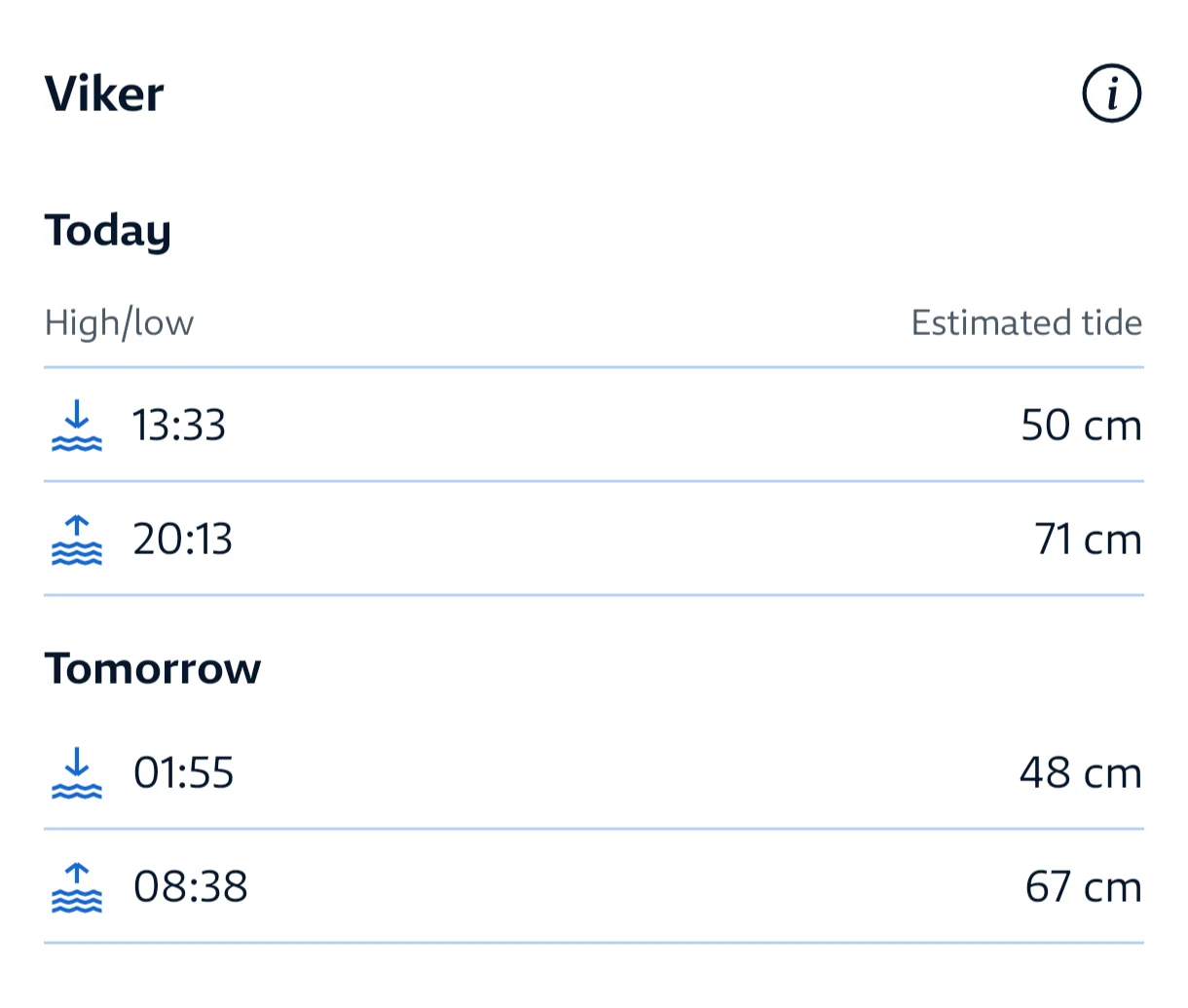
2. Consult Tide Tables (If Applicable)
If your expedition takes you to coastal beaches, tidal flats, estuaries, or river mouths, the tide schedule is just as critical as the wind forecast.
- Expanding Your Canvas: Low tide often exposes vast, hard-packed sandbanks or unique shoreline patterns that make for stunning aerial compositions.
- Safety and Access: Always know when the tide is coming in. A receding shoreline can quickly turn into a rising tide that cuts off your escape route or floods your launching area while your kite is high in the air.
3. Scout and Select Locations
Matching the forecast to the right geography is where local knowledge meets digital exploration.
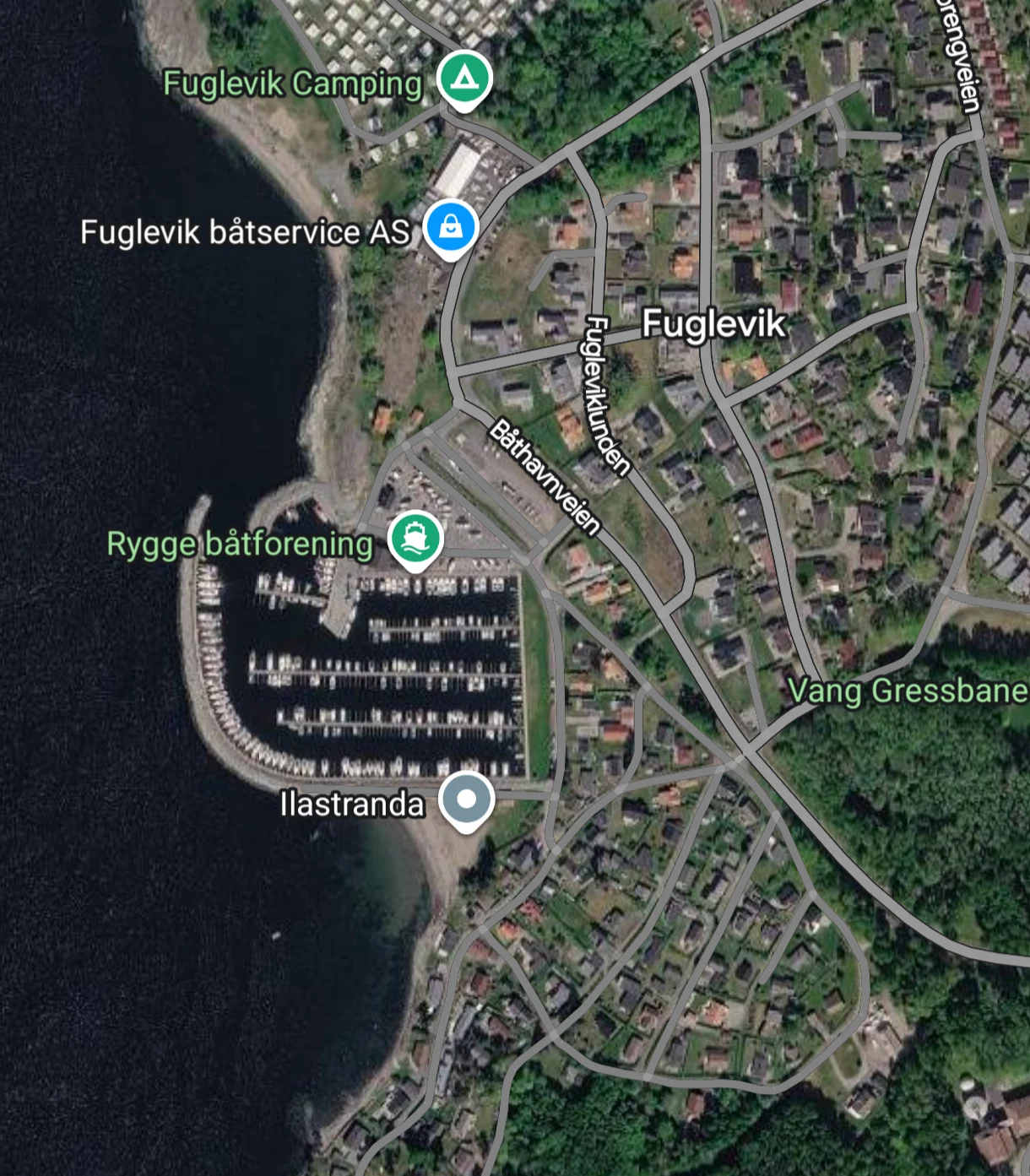
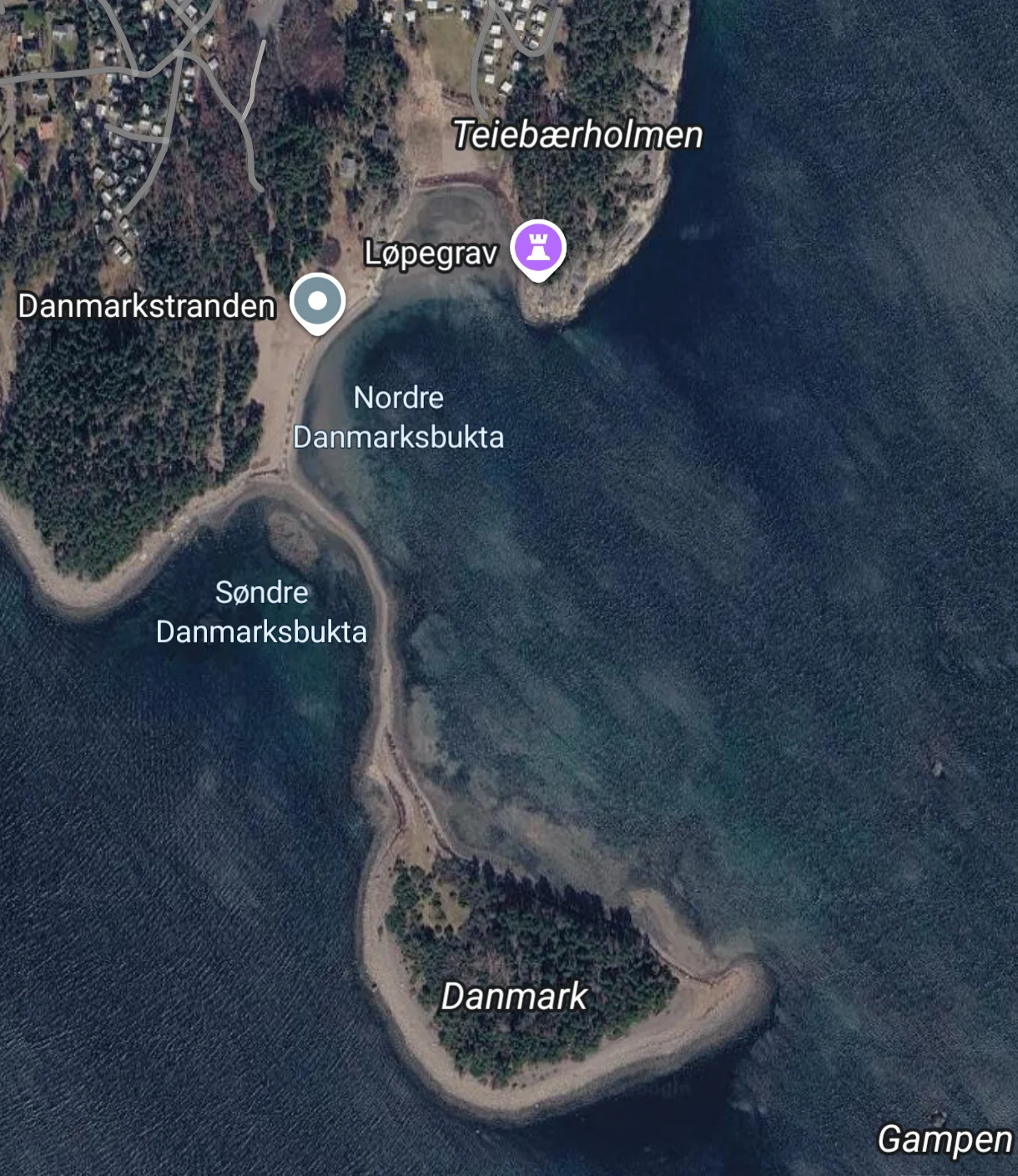
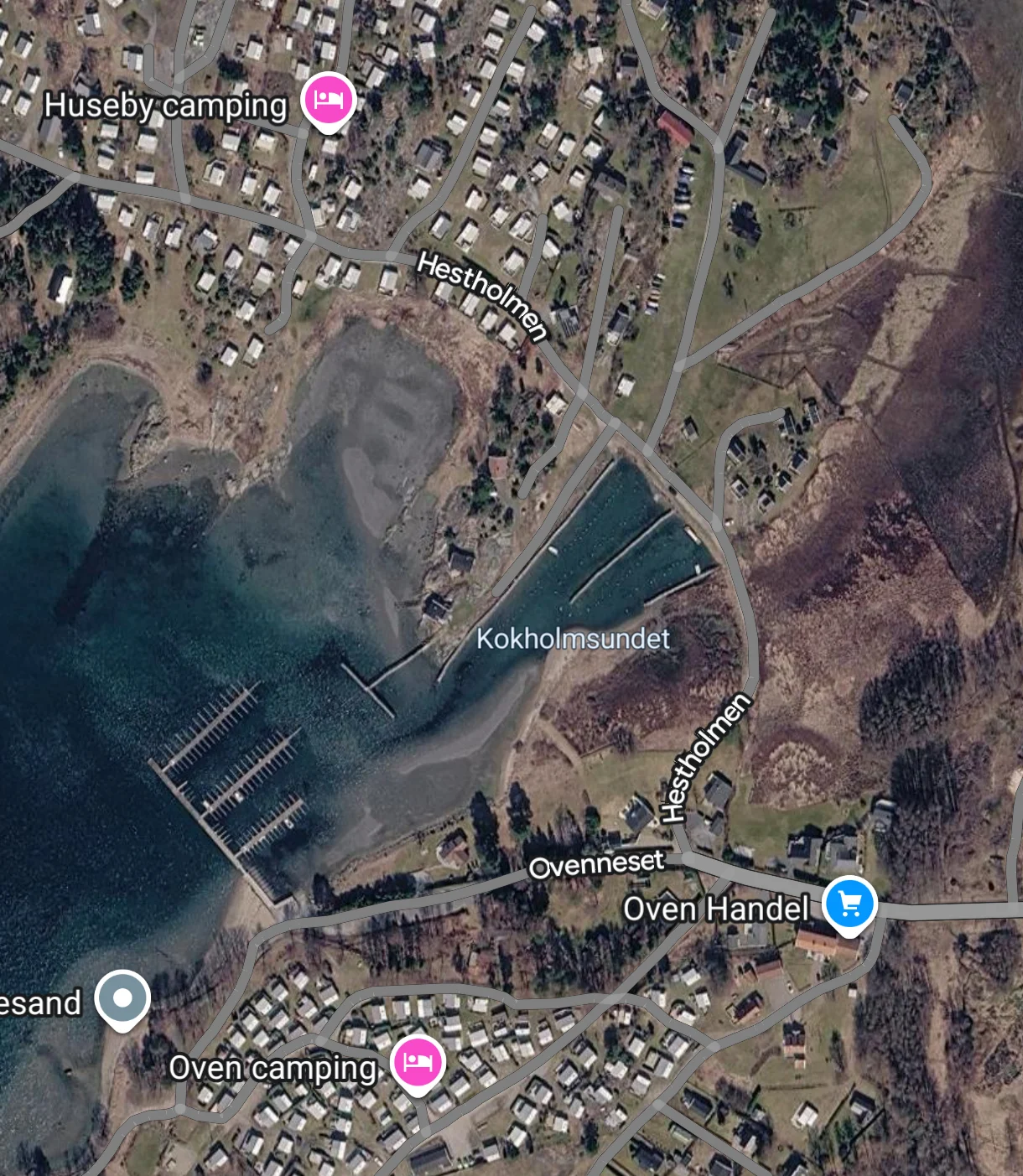
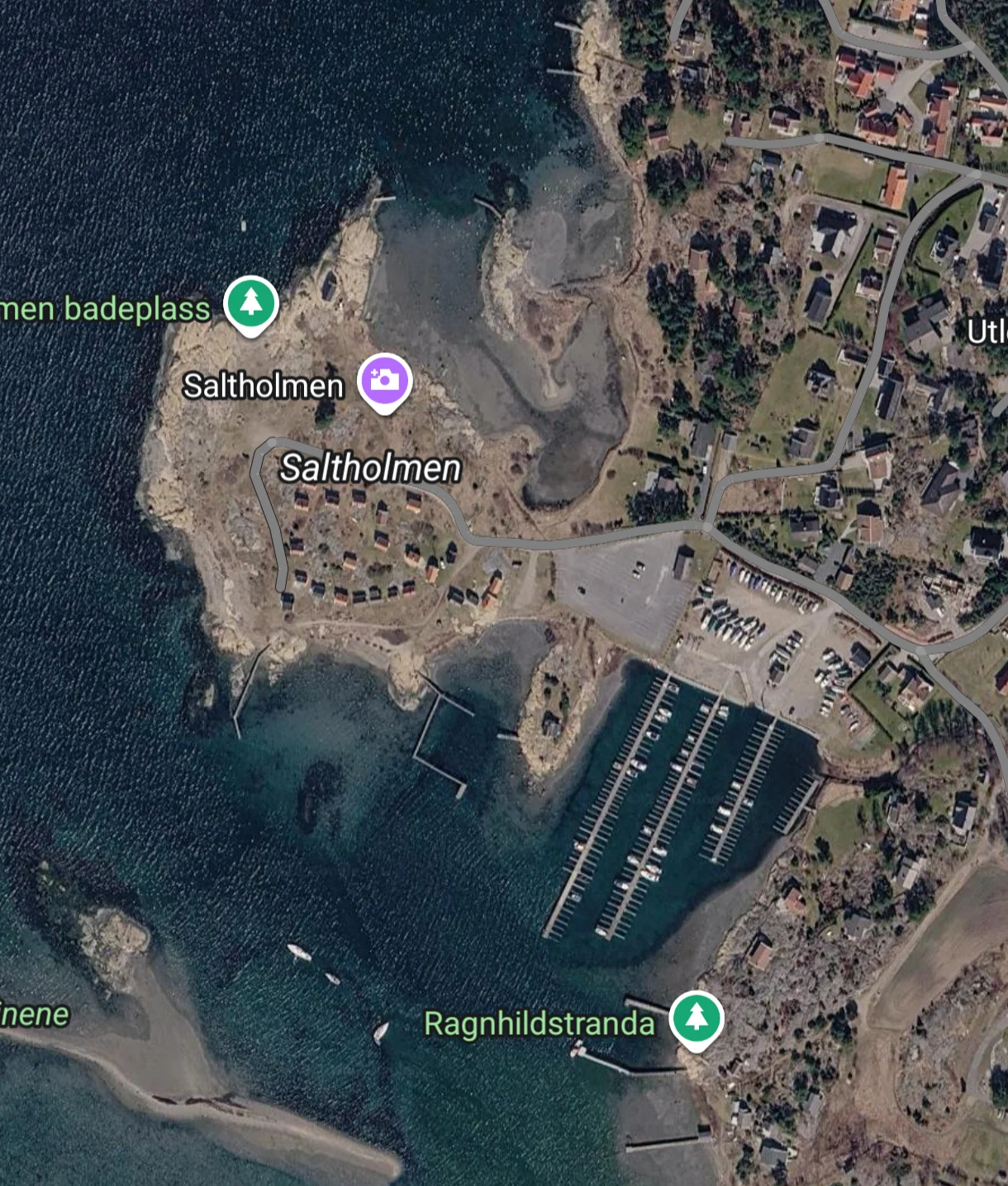
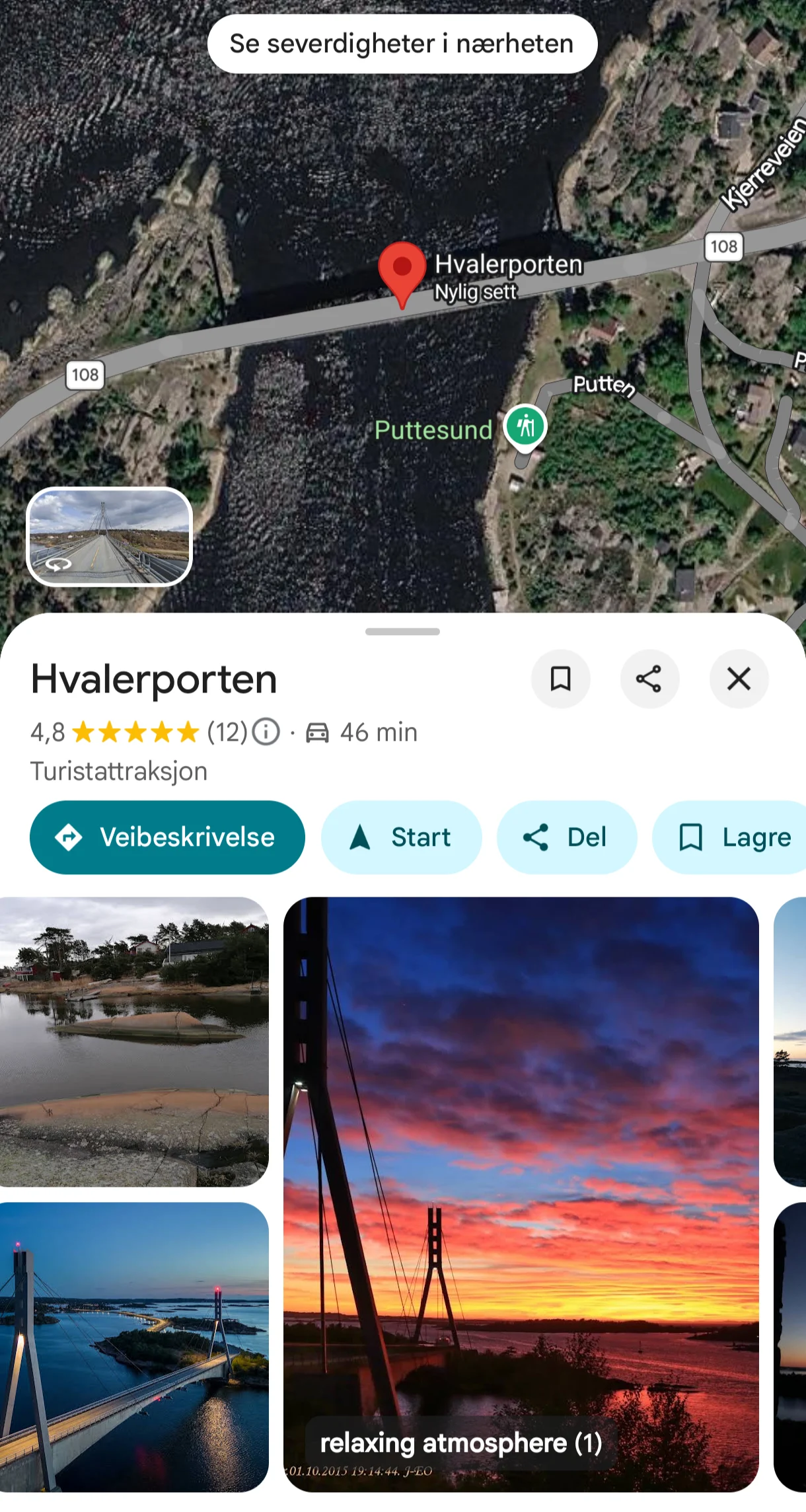
- Local Insight vs. Google Maps: Combine your familiarity with the area with satellite tools like Google Maps. Look for open spaces free of power lines, heavy tree cover, and restricted airspace.
- Wind Obstacles: Keep in mind how obstacles affect the wind. Trees, cliffs, and buildings create turbulent rotor zones downwind. Seek locations where the wind flows cleanly across the launch site. Always have a primary location and a backup spot in mind.
4. Embrace Flexibility
The golden rule of KAP is that nature rarely follows the script. You might arrive at a spot picked out on a map only to find the wind is blowing from the wrong direction, or dead calm has settled in.
- Be Open to Change: Do not hesitate to pivot. Be ready to pack up and move to an alternate location if the conditions on the ground do not match the digital forecasts. Flexibility often separates a frustrating day from a successful flight.
5. Remember That Waiting is Part of the Process
KAP demands patience. You may spend hours standing in a field waiting for the wind to stabilize, for a heavy cloud to pass, or for the tide to recede.
- The Zen of KAP: View the waiting period not as wasted time, but as an essential part of the rhythm. Use the lull to observe the environment, double-check your rig’s knots and camera settings, and enjoy being outdoors. When the wind finally picks up and the rig lifts smoothly into the sky, every minute of waiting becomes entirely worth it.